Noise Action
Week
The UK's campaign to reduce noise pollution
Excessive noise is linked to serious health impacts including hearing loss, stress, sleep disturbance, heart disease, strokes and dementia, affecting millions of people nationwide.
Our 2026 campaign has finished, but our resources are available to use all year round. Information on our 2027 campaign coming soon.






News & Insights


FAQs
Noise pollution is unwanted or harmful sound that can affect both human health and the natural environment.
What counts as “noise” can vary from person to person. A sound one person enjoys may be disturbing or stressful for someone else.
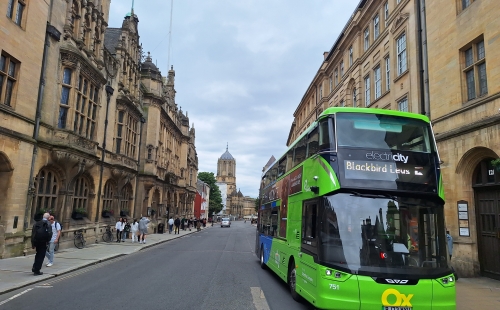
Transport noise is the largest source of noise pollution in the UK. For most people traffic noise is the largest form of noise pollution, particularly those that live or work on main roads. For some people it will be air or rail traffic, depending on where they live.
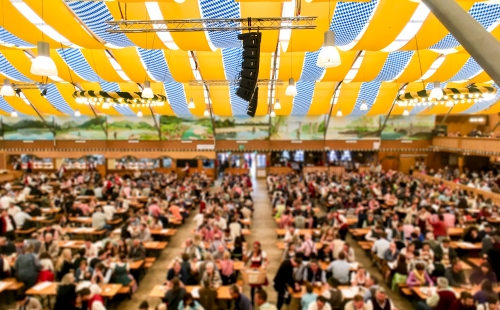
Commercial noise is another major source of noise pollution. This is noise coming from commercial premises such as shops, restaurants, bars, warehouses and offices, which can affect people living nearby.
Neighbourhood noise is another source of noise pollution, which includes shouting, barking dogs and noise from TV and radio (1). This particularly affects people living in flats, and terraced homes.
(1) NANR322 Survey of Noise Attitudes (SoNA) 2013 – NO0242 https://randd.defra.gov.uk/ProjectDetails?ProjectID=18997
Noise pollution can affect health and wellbeing in several ways. Very loud noise can cause hearing damage and tinnitus, for example this may be a risk if listening to very loud music.
Noise pollution can also have chronic health effects through disturbing sleep and causing stress and annoyance. Over time, these effects can contribute to a higher risk of health problems including:
- Anxiety and depression
- Heart disease and hypertension
- Stroke
- Diabetes
- Cognitive and behavioural issues (i.e. poor concentration in children or increased dementia risk in adults)
There is strong evidence that noise pollution from transport can increase the risk of the health problems outlined above (1). More research is needed to understand the health impacts from commercial and neighbourhood noise.
(1) British Medical Journal (2025) The impact of noise pollution on health, 391:e081193
Noise pollution can affect almost anyone, but some people are more exposed or vulnerable. Those living in cities, near busy roads, railways, or airports, or working in noisy environments, are most at risk.
Disadvantaged communities may face higher exposure to noise pollution. They may also have fewer ways to reduce it (such as install noise insulation). (1)
Those at risk of poor sleep, such as older people, pregnant women and shift workers, are likely to be more sensitive to sleep disturbance from noise. (1)
People who are neurodiverse may find unwanted or unexpected noise particularly disturbing.
(1) European Union (2020) Environmental noise in Europe
Under the Environmental Protection Act 1990, a statutory noise nuisance is any noise that unreasonably and substantially interferes with someone’s use or enjoyment of their home or other premises, or is harmful to health.
The law does not set fixed volume levels, so whether a noise counts as a statutory nuisance depends on factors such as:
- how often it happens and for how long
- the time of day or night the noise occurs
- the type and character of the noise
- the nature of the surrounding area
Certain noises are exempt, including those from trains, civil aircraft, and military activities.
Local authorities have a duty to investigate noise complaints and decide whether a noise meets the legal definition, considering what a reasonable person would find a nuisance.
Complainants can also take their own legal action to deal with noise nuisance. Preston Council have a useful webpage with more information.
Section 79 of the Environmental Protection Act 1990 lists the issues that can be dealt with as statutory nuisances.
A local authority has no control over the following noise:
- Air traffic noise.
- Road traffic noise.
- People shouting/laughing or screaming on a public road or footpath.
And the following are unlikely to be a statutory nuisance:
- A one-off party.
- Neighbours arguing.
- A lawnmower used during the day.
- Neighbours’ car leaving to go to or from work.
- A baby crying.
- Noise from children playing.
- Dogs barking occasionally.
- Normal household noise from domestic appliances such as washing machines, vacuuming, unless used unreasonably or causing excessive noise (i.e. due to poor installation)
- Footsteps (though not if a neighbour is deliberately stamping on the floor, or walking excessively at unreasonable hours to cause distress)
- A person carrying out short term DIY during the day and at weekends - for practical advice on when to carry out DIY, see Ipswich Council’s webpage.
- Noise from a bonfire or fireworks on bonfire night. Note that the Fireworks Regulations 2004 impose a midnight curfew for setting off fireworks on bonfire night, and prohibit setting them off in public spaces).
- Emergency repair works by a utility company or public service.
Anti-social behaviour (ASB) noise is noise that causes alarm or distress to people outside the household responsible for it. Examples can include repeated loud music, shouting, or other disruptive behaviour intended to upset or intimidate neighbours.
ASB noise is typically dealt with under anti-social behaviour legislation, rather than environmental health law, although the two can sometimes overlap.
Noise Action Week Noise is a campaign to spread the message that noise matters for our health and wellbeing. In the lead-up to the campaign and throughout the week (11th - 15th May), Noise Action Week aims to:
- Highlight the impact of noise on health and wellbeing
- Promote simple, practical behaviour changes that help reduce unwanted noise
- Showcase innovative and effective action being taken by local authorities and businesses across the UK
Noise Action Week 2026 is organised by the Environmental Policy Implementation Community (EPIC) of the Institution of Environmental Sciences, with support from Association of Noise Consultants (ANC), Institute of Acoustics (IoA), UK Noise Association, Noise Abatement Society, Royal Environmental Health Institute of Scotland (REHIS) and RHE Global.
Noise Action Week was first held in 1996 by Environmental Protection UK, who ran it until 2021. In 2024, Environmental Protection UK merged with the Institution of Environmental Sciences to become EPIC.








The Institution of Environmental Sciences (IES) is a charitable organisation; a global professional membership body for environmental scientists.