2026 Photography Competition: Results
The IES’s annual Photography Competition is always exciting. We never know what kind of pictures we'll receive, especially when the theme is 'Unexpected'.
For the 2026 competition, we received a lot of entries, and were glad to see images that reflected subjects across a range of species and habitats.
To determine the winning entry, shortlisted photos were ranked using a points system, and the top 10 photos were then re-scored to determine the winning image.
The winner
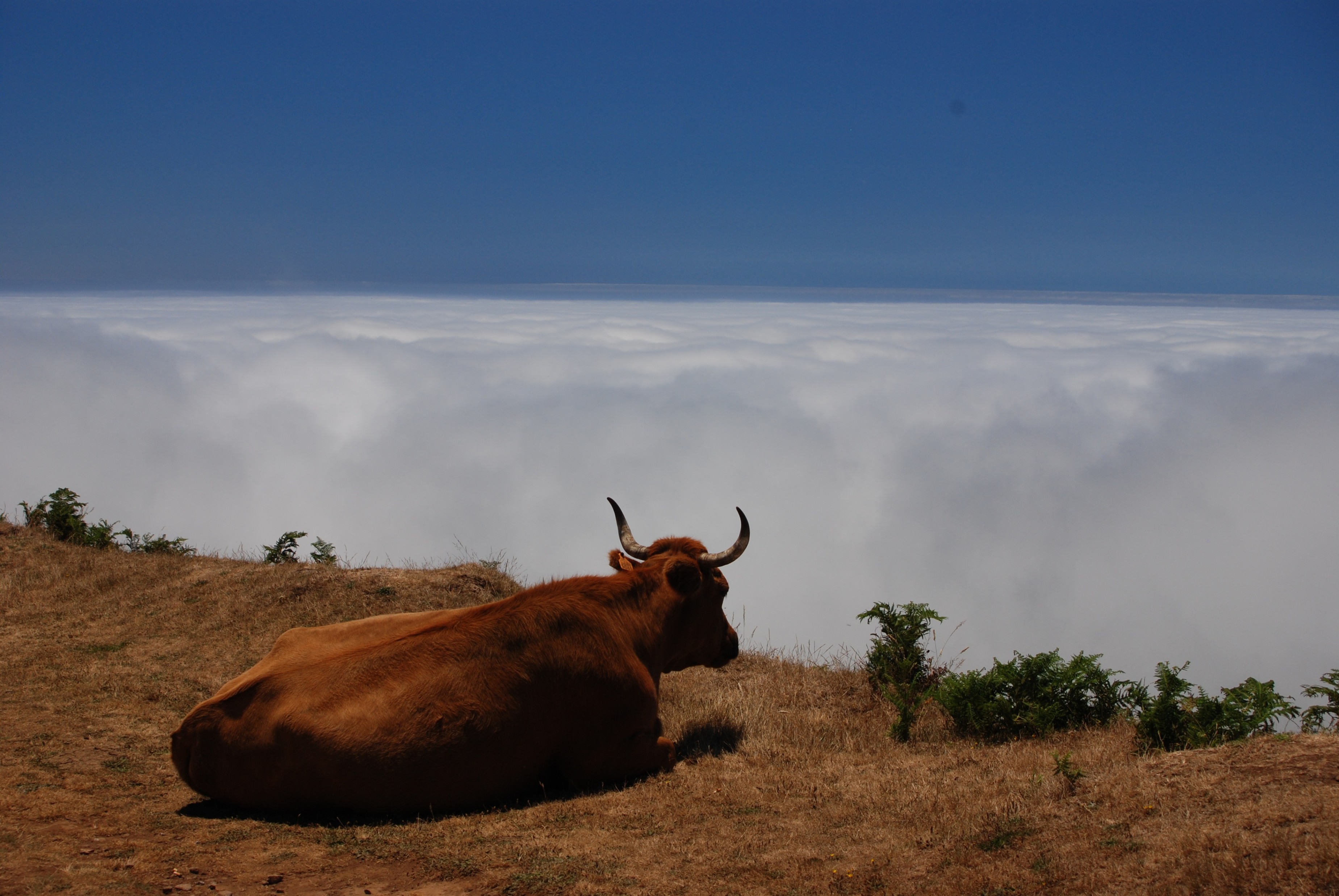
This year's winner is Roger Barrowcliffe, with 'Unexpected Bovine Cloud Observer'. The judging panel loved how ordinary yet strange the photo is – a cow against the sky, but in a totally unusual way. It feels pensive, dreamlike, and certainly unexpected. Taken on the island of Madeira, Roger remarked that this "cow's eye" view of a stratocumulus cloud layer was a striking sight on his travels.
Highly commended
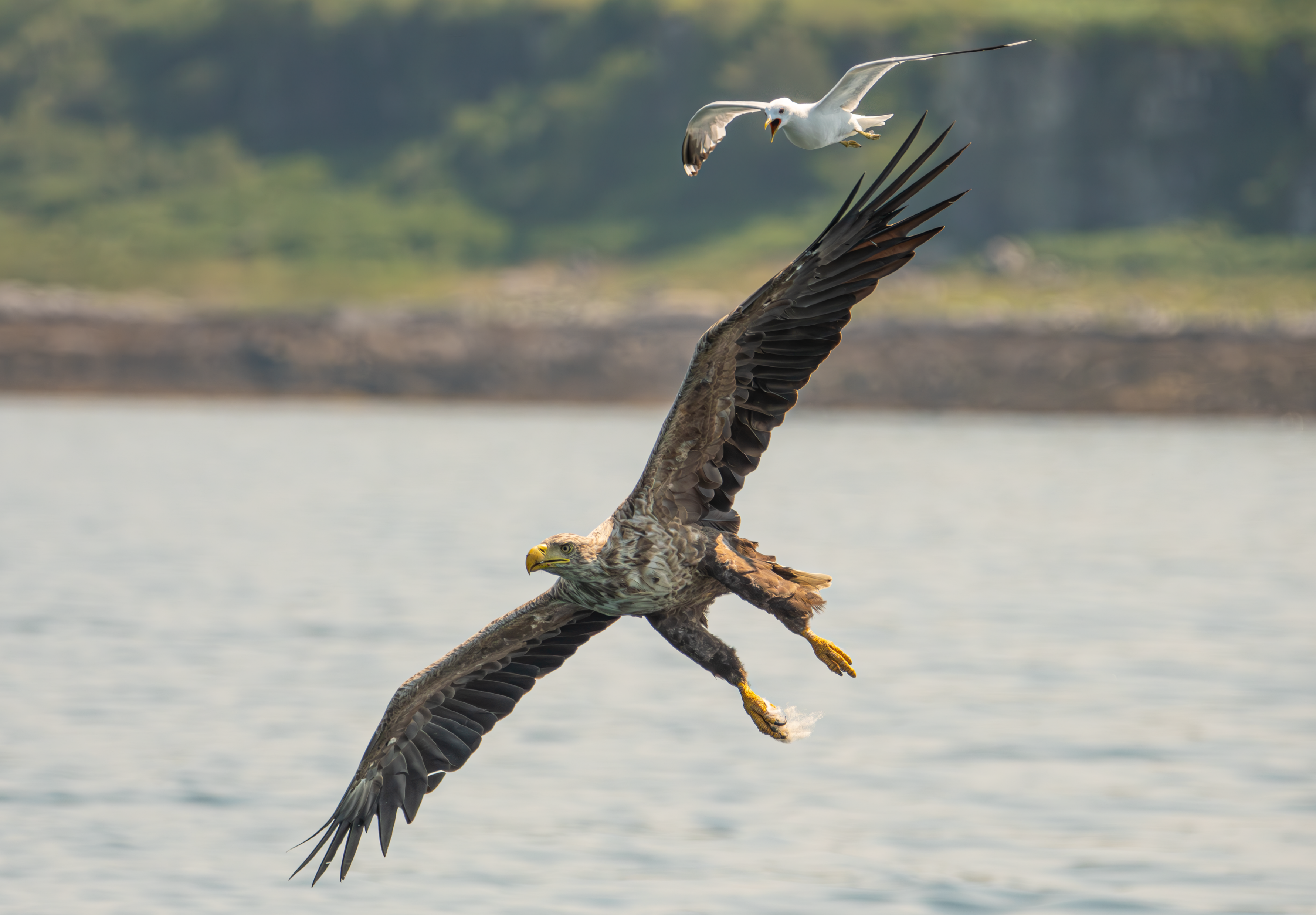
Mary-Beth Whittingstall took this photo, titled 'Loch off!', during a trip to the Isle of Mull. It features a wild White-tailed Eagle (Haliaeetus albicilla) being mobbed by a Common Gull (Larus canus), with a powerful composure that sees the eagle's huge wings stretch dominantly across the frame.
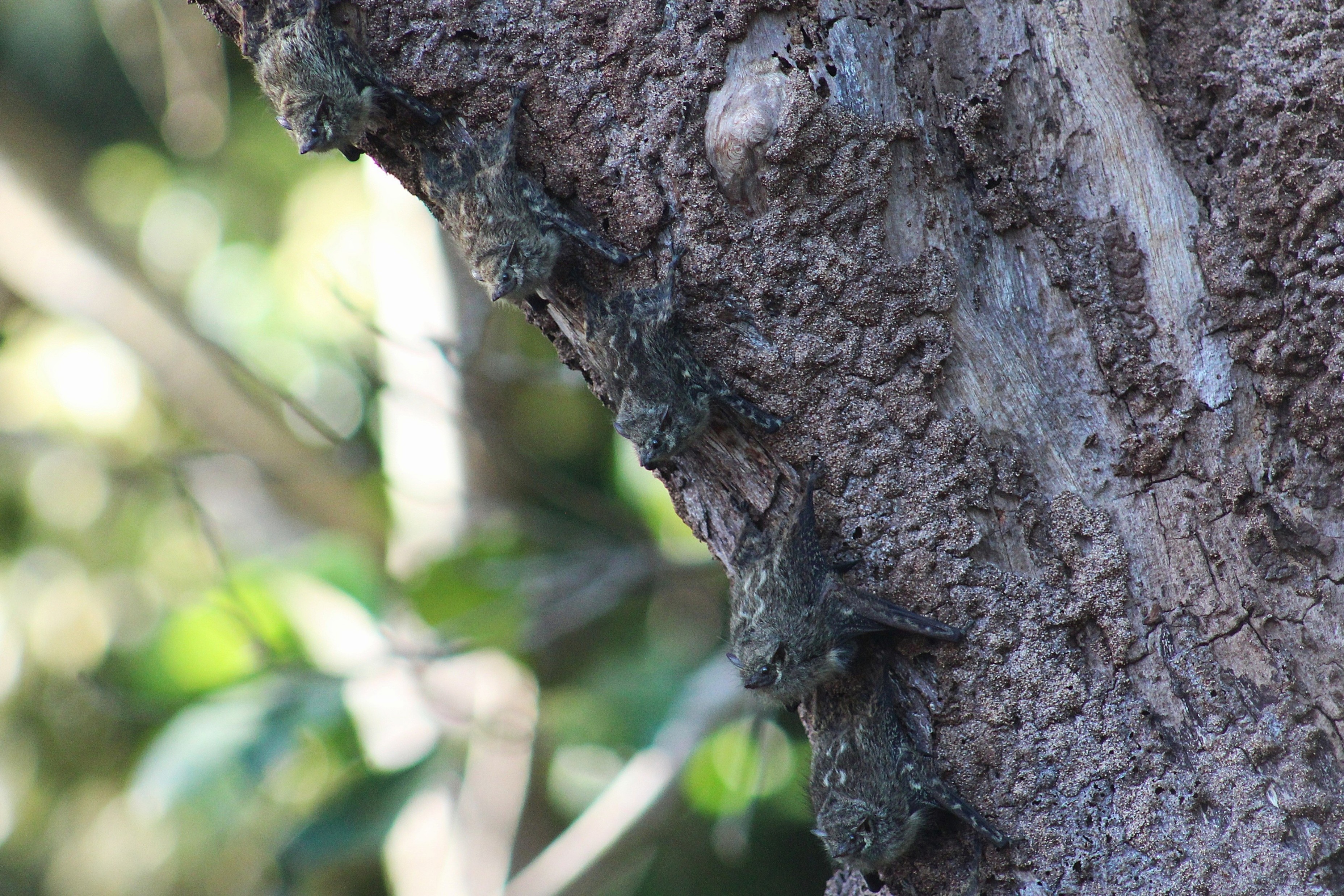
Another Highly Commended image is this gorgeous shot by Greg Pitcher. It takes a moment to notice the group of bats clinging to the tree. Greg relayed: 'Whilst out on Lake Sandoval in the Peruvian Amazon, I noticed a strange pattern on the side of a dead tree trunk. On closer inspection I was surprised to find many tiny eyes looking back – it was a family of proboscis bats (Rhynchonycteris naso) blending into the tree bark!'
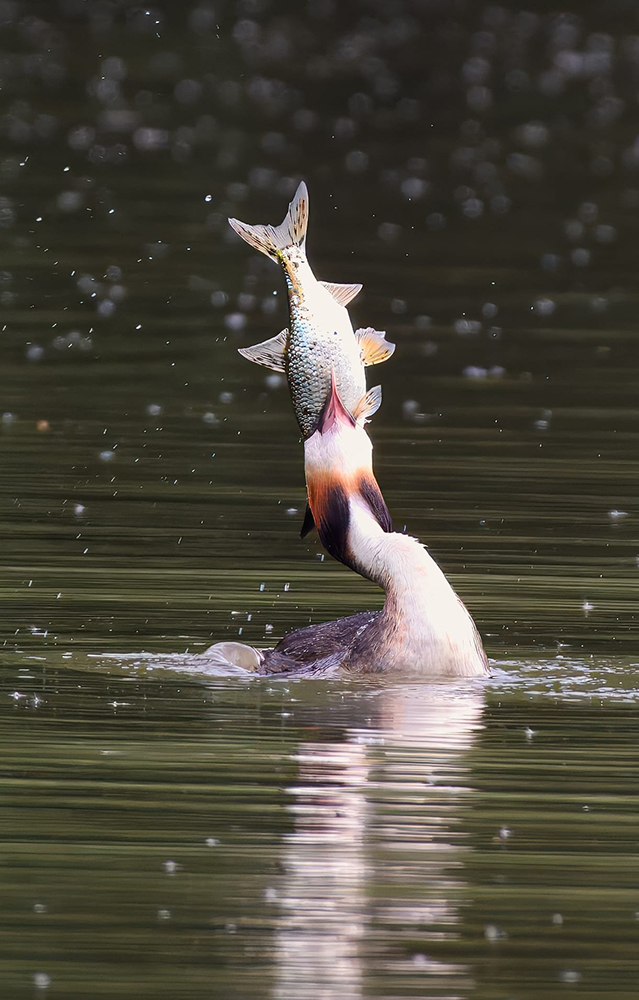
'Caught in the Light' is the perfect title for this snap by Peter Batt. The judges were impressed by the split-second timing of the fish being gulped, framed by flying droplets that almost look like sequins in the sunlight. Peter explained: 'This image of a Great Crested Grebe was captured in the late summer at a local nature reserve at Warnham, near Horsham, West Sussex. They are skillful fishers, sometimes catching fish bigger than they can swallow!'.
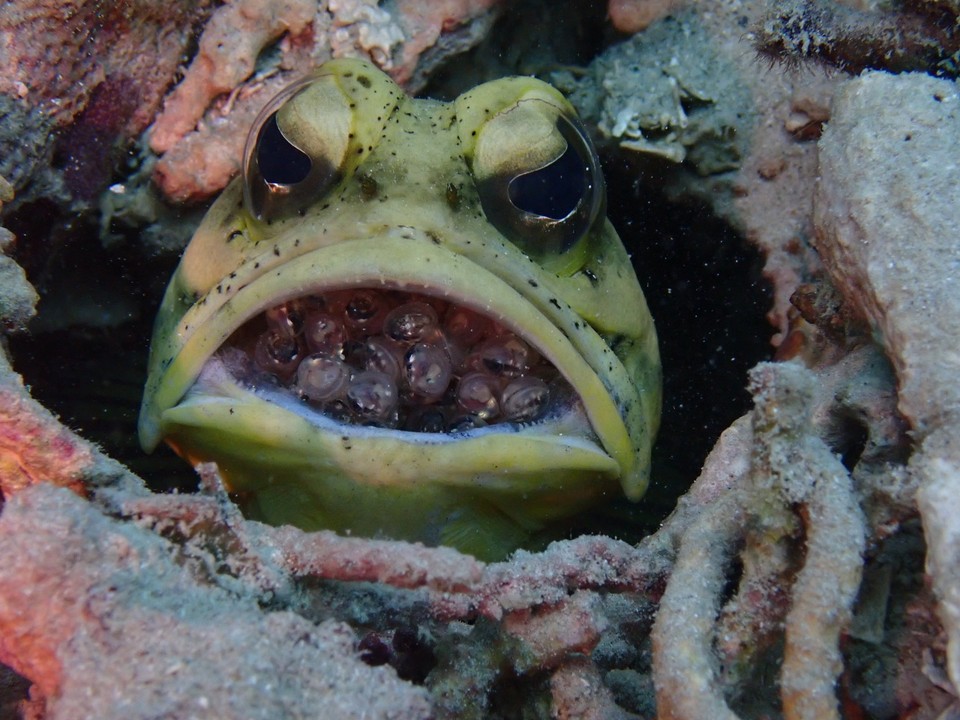
The fifth shot to make the list was 'An unexpected jaw-opening encounter’. This picture of a jawfish mouthbrooding was taken in Coron, The Philippines. Photographer Aida Khalil Gomez told as about this fascinating behaviour: 'Jawfish live in sand burrows that they build using sand, with pieces of coral to reinforce the tunnels. When I got closer, it unexpectedly opened its mouth to show me the eggs. I was fascinated, as I could also see the baby fish eyes. Males hold fertilised eggs inside their mouths to keep them safe until they are ready to hatch. During the mouthbrooding process, the fish cannot eat.'
The IES thanks all of this year's entrants for sending us their photos. We enjoyed looking at every single one of them, and were impressed by the wide and creative interpretation of a somewhat challenging theme.
A selection of the judges' favourite photos this year, alongside the winning and Highly Commended images, will be published in the September edition of environmental SCIENTIST.
Header image: © AungMyo | Adobe Stock