Equity, Diversity & Inclusion
Ensuring an inclusive transition to a thriving environment


Our Vision
As a representative of the environmental sciences, we at the IES want to proactively seek to enhance diversity and inclusion across the sector, acting as agents for change. Our vision is to lead by example for the betterment of our society, economy, and environment.
Our Focus Areas


Our ED&I Plan: 2027-2030
The next phase of our ED&I plan will build on previous initiatives and introduce new goals as part of our vision to enhance diversity in the sector. As we continue to progress towards our goals, we will release broader annual metric data reports based on member surveys. Look out for a new plan in Q1 2027.
Key action areas
- We are striving to align all membership levels with our overall gender balance, including supporting more women towards Fellowship. Female representation in the Fellowship rose 4% this year to 26%.
- To ensure our broader membership and sector shape our ED&I work, we expanded our EDI Champion scheme and launched our first ED&I member survey in 2026.
- While our ethnicity and disability gaps are closing, much work remains. We leverage sector reporting to guide our efforts and offer remote work shadowing through the Disability Confident Scheme.
Member Demographics
As the representative body for environmental sciences, we proactively seek to enhance diversity and inclusion across the sector, act as agents for change, and lead by example. To ensure our policies, practices and procedures are measurable, we collect opt-in diversity data from our members, staff and governance teams.
Our membership is split relatively evenly between male and female, with non-binary genders also making up over 1% of the total. The gender split varies at different levels of membership.
- Female (50%)
- Male (48%)
- Non-binary (>1%)
- White (86.6%)
- Asian or Asian British (6%)
- Black, African, Caribbean and Black British (3.5%)
- Mixed, Multiple Ethnic Group (2.7%)
- Other ethnic group (1.2%)
All members can provide ethnicity data, but the figures on display describe our UK-based professional members. This allows us to understand how diverse our membership is compared with the wider UK population. 18% of the UK population aged 16-64 and in employment is from a non-white background, meaning our diversity gap is 4.6%.
Estimates from the Department for Work and Pensions in 2023 indicated that around 24% of the UK population had a disability as defined by the Equality Act 2010. We note that this may not capture all experiences of disability and do not require members to provide any details when indicating that they have a disability.
- No disability (93%)
- Disability (7%)
Meet our ED&I Champions
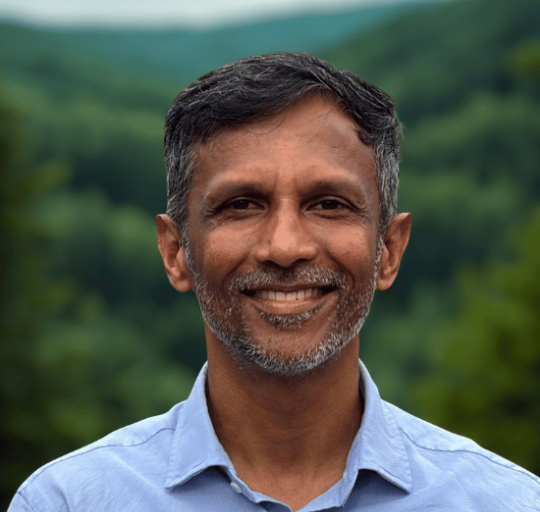
Each IES Community has a dedicated Champion who leads on ED&I within their own community. Individuals are appointed to this role through their own experience in ED&I roles or engagement with IES training.






Sector wide approach
Recognising that only a sector-wide approach will overcome barriers, we work with other organisations to promote inclusion.




The IES is proud to be a signed-up member of the Disability Confident scheme at Level 1, Disability Confident Committed
The Institution of Environmental Sciences (IES) is a charitable organisation; a global professional membership body for environmental scientists.