Dialogue Between Disciplines 2026: Event Reflection
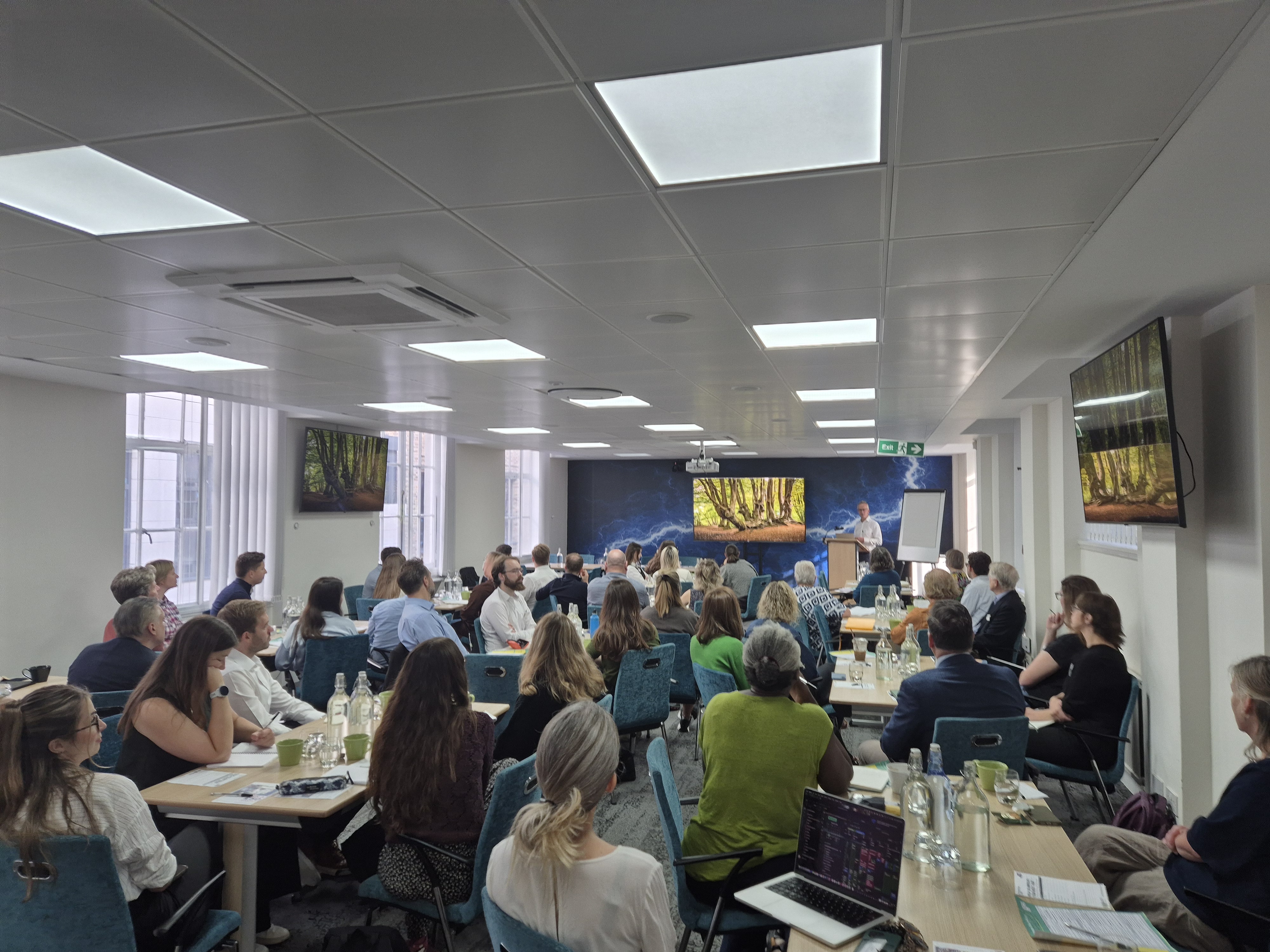
Collaborating for Systems Change
The day opened with the Collaborating for Systems Change session, introduced by one of our keynote speakers, Professor Gideon Henderson CBE, Professor of Earth
Sciences at the University of Oxford. The presentation, titled 'The essential role of environmental science in an interdisciplinary solutions-focused climate transition', explored systems thinking approaches to three topics: land use & agriculture, forestry, and carbon dioxide removal.
This was followed by a presentation from Jonathan Saks, National Infrastructure and Service Transformation Authority (NISTA), who gave a presentation titled 'Systems approaches to the built environment'. Jonathan explored the difference between a project approach and a systems approach, advocating for the adoption of early interventions through systems thinking for better outcomes.
We also heard a presentation from Dr Natalie Foster, The Open University, titled 'Designing, facilitating, and participating in learning for systems change'. This presentation explored the different learning structures within systems thinking, such as boundary judgements, systems mapping, and rich picturing, that allows us to, as Natalie said, "learn to do things better and do better things."
The morning was concluded with an interactive Q&A with all session speakers, during which they discussed improvements for collaboration between academics and regulators on key environmental issues, addressing uncomfortable environmental realities while maintaining relationships with the public, and how to apply systems thinking approaches to small-scale local or individual challenges.
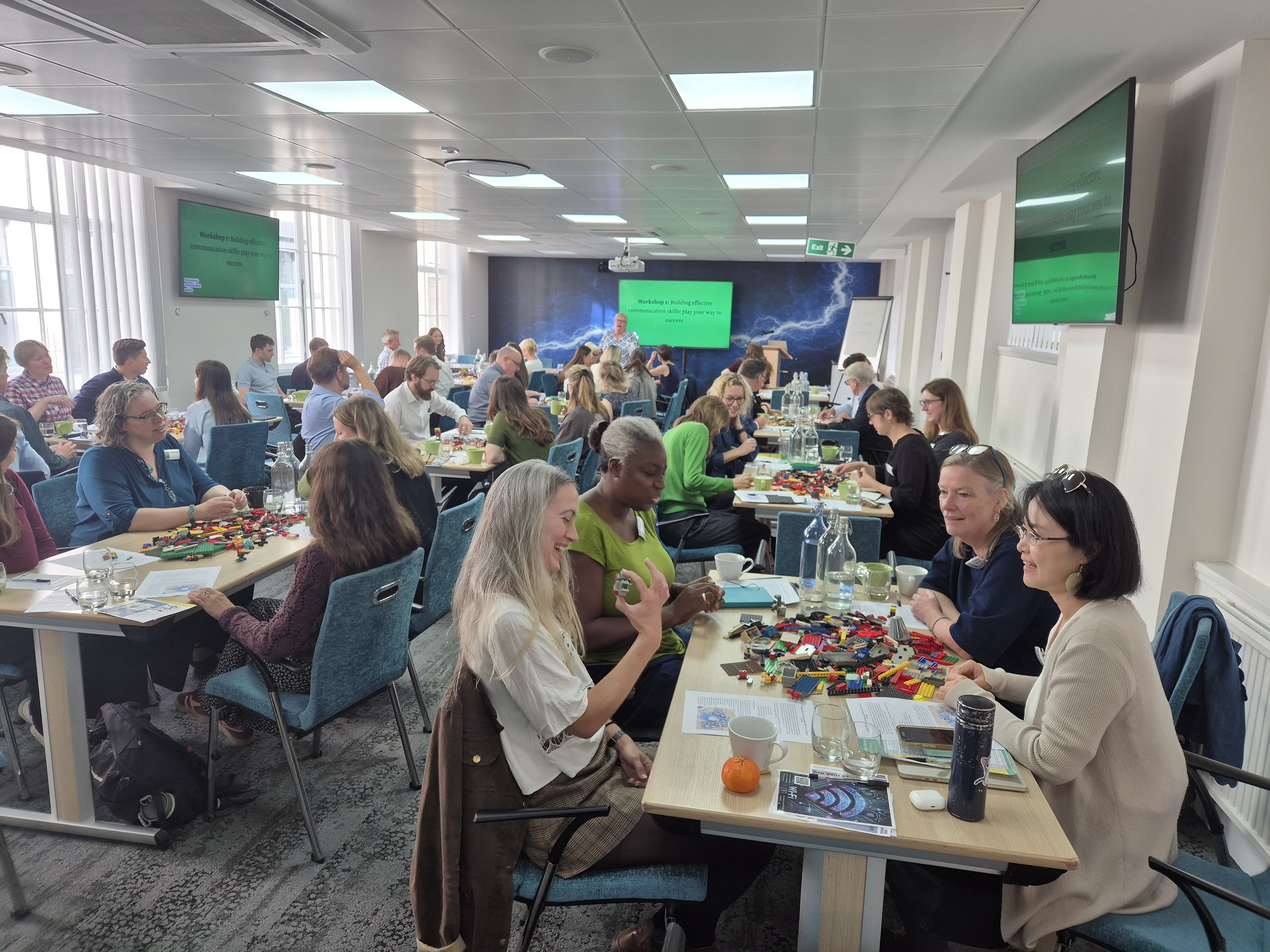
Building effective communication skills: play your way to success
Our first workshop was hosted by Professor Carolyn Roberts, Water and Environment Consultant, Professor Emeritus Gresham College, London. This fun, interactive workshop explored communication skills across disciplines and sectors through LEGO. The workshop went through different exercises where delegates, paired with someone from another sector, created models of their organisations and potential projects to explore communication across disciplines. This bright and fun workshop sparked interesting conversations about methods to learn from other sectors and build relationships across disciplines, all while playing with LEGO!
Interdisciplinarity in Action
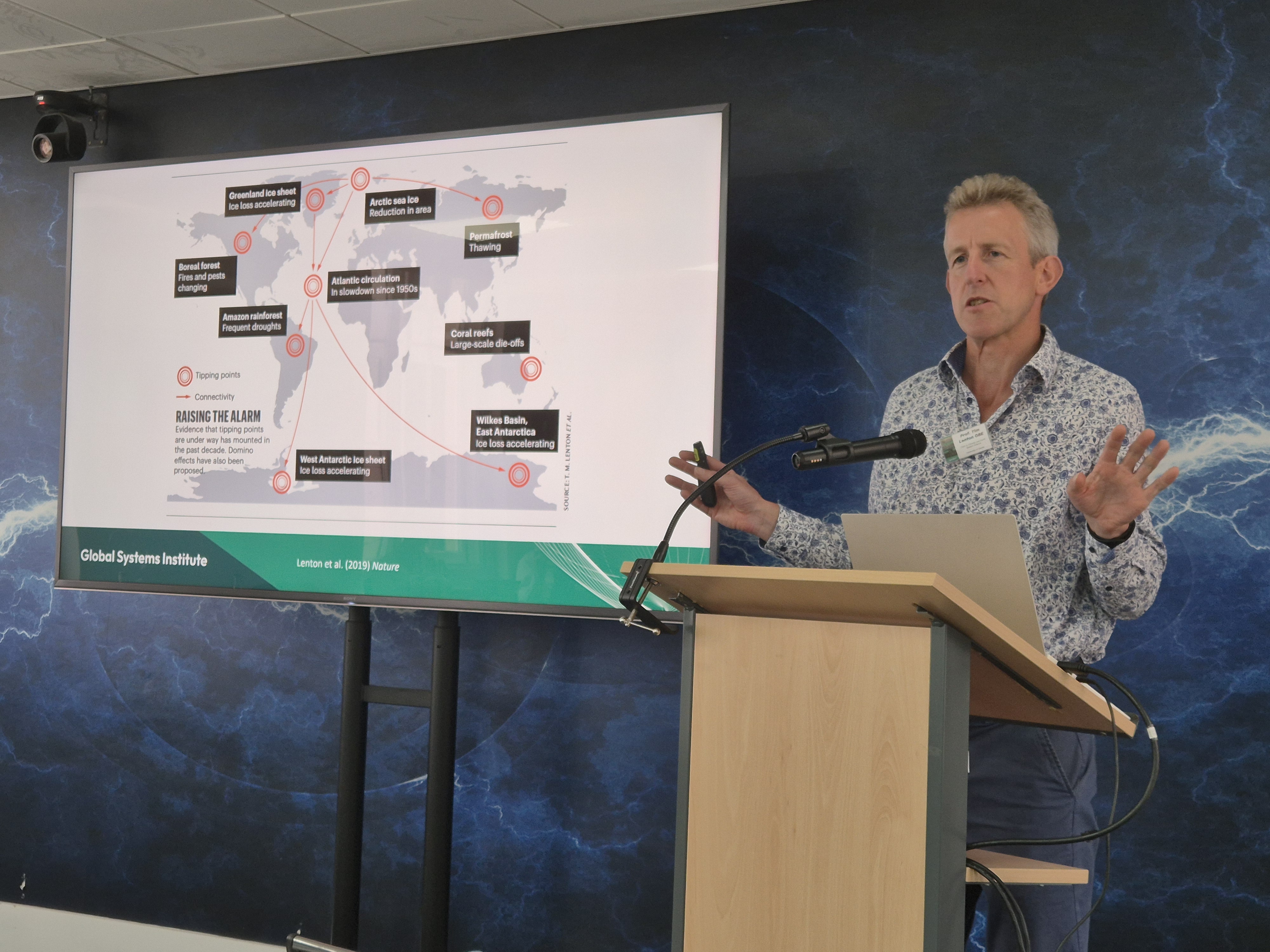
The afternoon session, Interdisciplinarity in Action, opened with a keynote presentation from Professor Tim Lenton on 'Tipping positive change to avoid climate tipping points.' This presentation first explored the science behind climate tipping points, such as the 1.5 degrees of global warming, detailing the warning signs and nature of tipping points themselves. This analysis was then redirected to positive tipping points for sustainability, exploring the electrification mobility tipping point in the energy transition and the ways in which systems of positive environmental behaviours can push forward sustainable transitions.
Tim's keynote was followed by three excellent case studies which explored successful examples of interdisciplinary collaboration, detailing how they worked, how they sometimes didn't, and how to move forward.
- Dr Sarah Moller, National Centre for Atmospheric Science, University of York, presented 'Transforming science advice for air pollution policy'. This case study detailed how Sarah worked to bridge the gap between academics, policy makers, and regulators whilst working in air quality, exploring communication methods, professional diplomacy, and the importance of vulnerability in collaborations.
- Dr Melissa Wang, Greenpeace Research Laboratories and the University of Exeter, presented 'Beyond silos - An integrated sustainability hierarchy framework, from interdisciplinary collaboration at the science policy interface'. This case study detailed the progression of the research report on the sustainability hierarchy framework, where Melissa highlighted models of collaboration, what worked for her team and why, and what they chose not to pursue and why. This case study emphasised understanding timing, your project's role within a wider global conversation, and looking for opportunities to make the biggest impact.
- Simon Spooner, AtkinsRealis, presented 'The application of systems benefits modelling (PRISM) to a lowland reservoir water resources scheme.' This case study detailed how sustainable water infrastructure needs to combine engineered elements with catchment and nature-based elements to ensure non-engineered components of water systems are not missed or undervalued. This requires collaborating across organisations and a wider system to ensure a complete assessment of water infastructure and the maximisation of benefits to local environments.
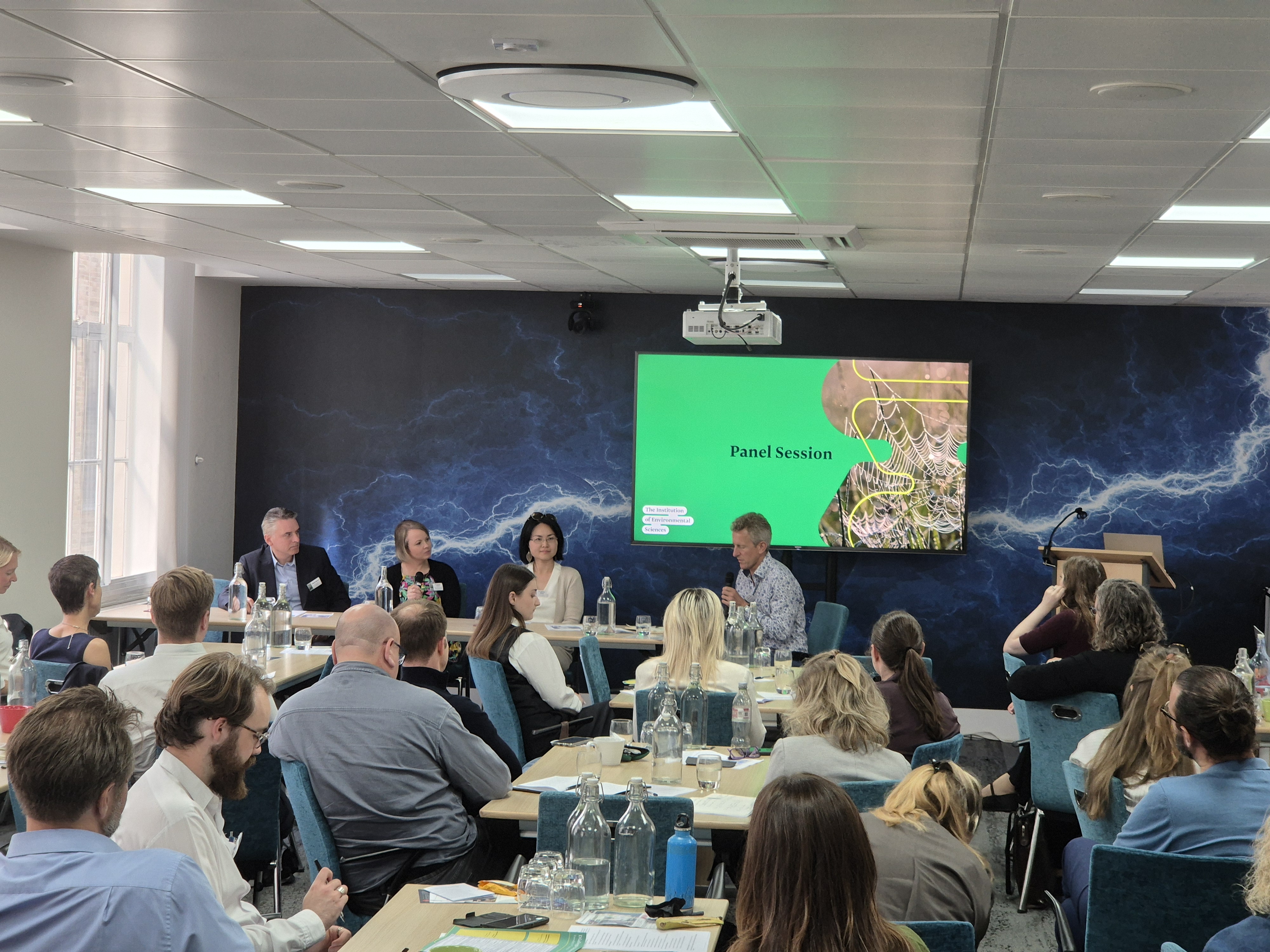
This session concluded with an interactive panel discussion, chaired by Professor Tim Lenton, which explored how to build a shared language across environmental sectors, the panel's strongest elements to ensure delivery, and who the panel wish were involved in their projects - and most importantly, how to get them involved!
IES and ACCESS toolkit launch
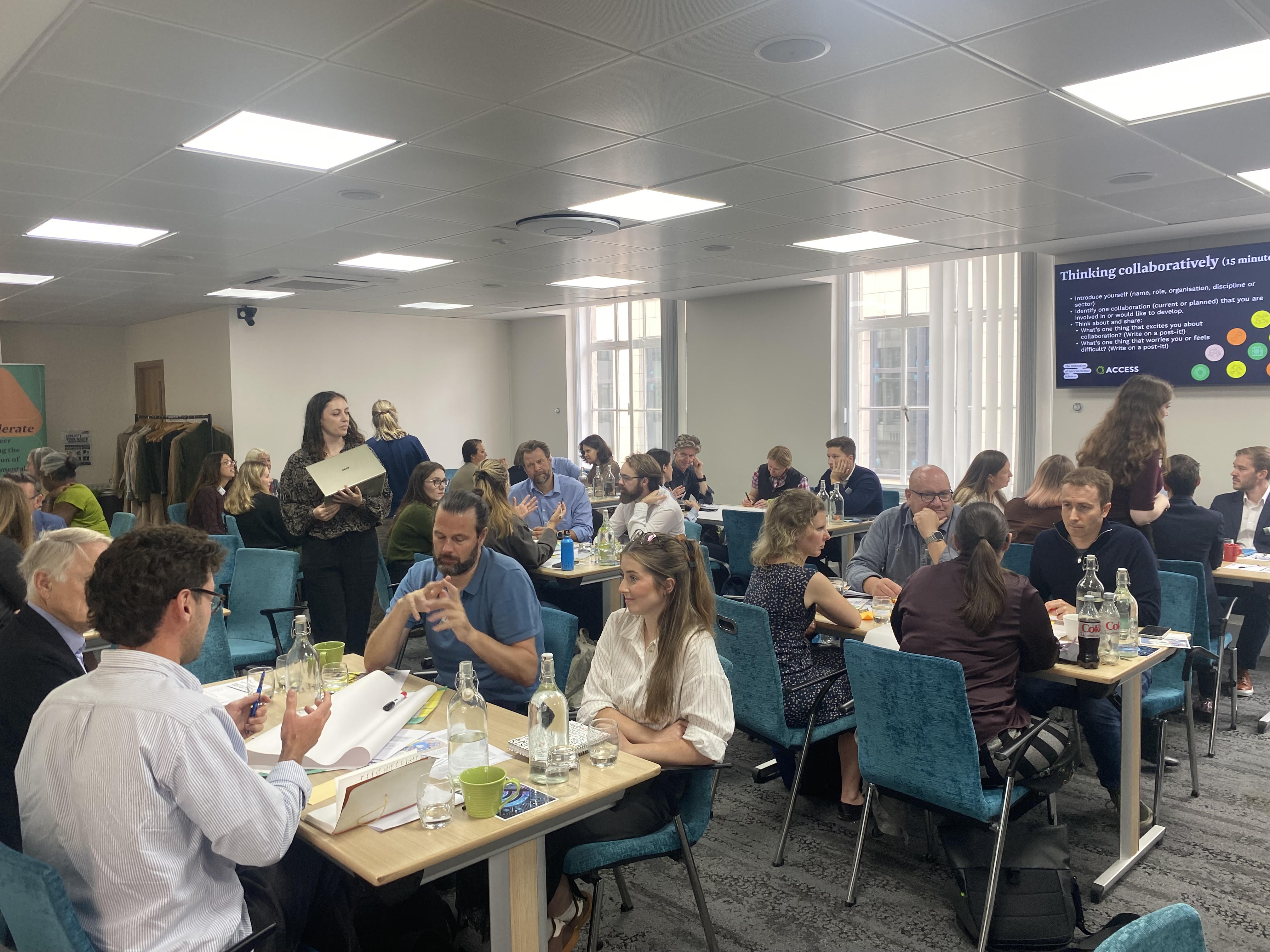
The day concluded with a workshop to launch the IES's new interdisciplinary toolkit, developed in collaboration with ACCESS. The workshop demonstrated collaborative working in person with delegates from across environmental sectors and specialisms, discussing new structures and plans to use the toolkit to overcome interdisciplinary barriers in their own roles.
The 2026 Dialogue Between Disciplines Conference hosted presentations from a range of diverse disciplines, bringing together insightful perspectives for collaboration on complex environmental issues. Combining expert presentations, interactive workshops, open panel discussions, and networking opportunities, the conference was a valuable mix of knowledge sharing and community collaboration.
There was an impressive range of topics explored, from communication and engagement to climate tipping points, air pollution, water resources, international negotiations, and the practical realities of interdisciplinary working. Whether we are thinking about climate change, biodiversity loss, air quality, water management, plastics, chemicals or sustainable development, the day demonstrated that these are fundamentally interconnected challenges that need us to work together and find a way to communicate with each other so we can do that.
The challenges we face are interconnected, but so are the solutions. Through conversations, collaborations, and relationships that Dialogue Between Disciplines works to initiate, we want to build networks, trust, and shared understandings to allow evidence to be used effectively, ideas to spread, and positive change to accelerate.
We would like to extend our thanks to all of the speakers, workshop hosts, chairs, exhibitors, and delegates for making it such a great day. We hope to see you there next year!
Header image © Gunta via Adobe Stock