Embedding the circular economy in decisions
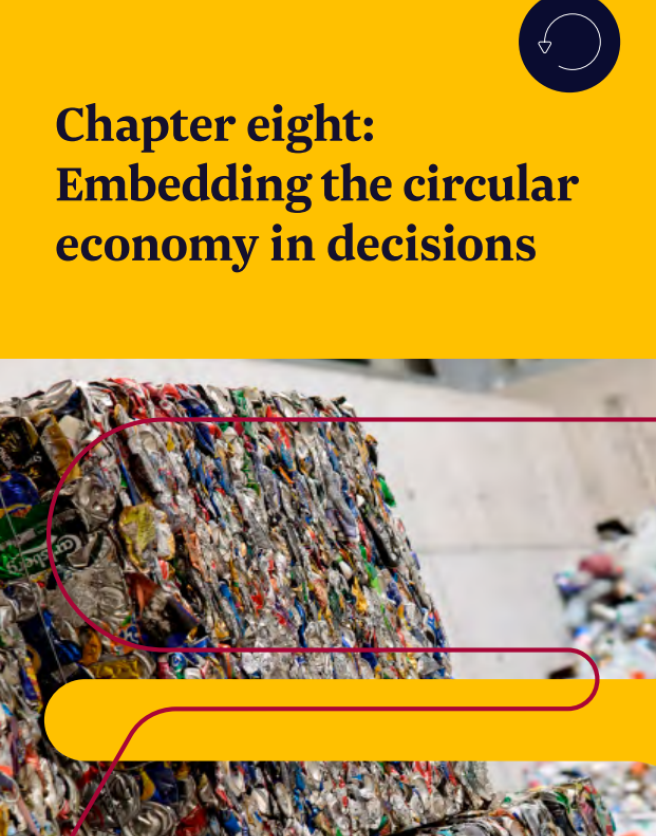
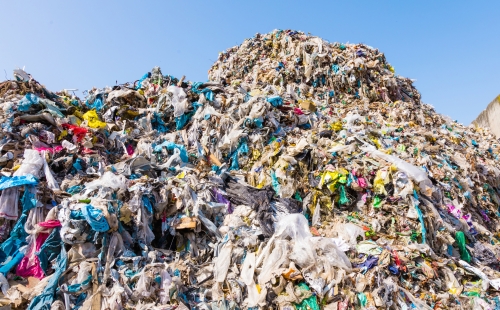
The UK has a serious problem with waste.
UK households throw away more plastic per person than every other country in the world, except for the US. We are one of the worst offenders in the world for producing and recycling electronic waste, and we consume more fast fashion per person than any other country in Europe.
Our nation urgently needs a fundamental change in our relationship with resources. When resources are buried in landfills or burnt in incinerators, their value is destroyed, and we have to create more to replace them.
As part of our recommendations to the UK Government for 2024-2029, the IES published this chapter on 'embedding the circular economy in decisions', which sets out recommendations on waste, resources, and the circular economy.
Our recommendations were created by IES members as part of an expert engagement process, which brought together hundreds of environmental professionals across specialisms.
Our recommendations for the UK Government
- Promote a culture of re-use and repair across the UK, embedding the circular economy in decision making and engaging the public on the practical steps everyone can take.
- Urgently deliver existing commitments on waste and resources to provide the certainty needed for private investment.
- Set clear government objectives for resource efficiency, supporting a transition towards a circular economy by 2050.
- Improve the sustainability of resource use for the most challenging sectors, including construction and critical materials.
- Support international leadership on sustainable resource use, working closely and agreeing a joint approach with the devolved administrations and international partners like the European Union.
More on policy affecting resource use


Find out more
Read our recommendations for other fields of environmental science in 'Our Shared Mission for Sustainable Wellbeing'.
For more information about how to improve decision making and governance for the circular economy, read our report on reconnecting targets with environmental outcomes. To support effective policy delivery at the national and local level, join our Environmental Policy Implementation Community (EPIC).
If you want to support the work of the IES, you can become an affiliate, or if you’re a professional in the environmental sector working with science, consider joining the IES.
Header image credit: © Stephen Davies | Adobe Stock