Transform the UK with a mission for sustainable wellbeing
Years of crisis linked to climate change, biodiversity loss, and pollution have prevented us realising the fundamental promise that the future should always be brighter than it is today.
Our ambition should be for a country with thriving people, a healthy economy, and a flourishing environment. Each is crucial to creating a better country and all three could be realised together through a new Mission for Sustainable Wellbeing across the UK.
As part of our recommendations to the UK Government for 2024-2029, the IES published this chapter on 'transforming the UK through a mission for sustainable wellbeing', which sets out recommendations on sustainability and overall environmental governance.
Our recommendations were created by IES members from our Communities as part of an expert engagement process, which brought together hundreds of environmental professionals across specialisms.
Update: In October 2026, the IES published a gap analysis against these recommendations, evaluating how much progress has been made as we reach the mid-point of this parliamentary term.
Our recommendations for the UK Government
- Transform the UK through a new Mission for Sustainable Wellbeing. Begin the transition from years of crisis towards a sustainable society where people and nature thrive.
- Unmet: While the Environmental Improvement Plan recognises that "Nature is the foundation of our wellbeing, our economy and our communities”, it does not sufficiently embed these goals as a strategic priority across government.
- Across government, recognise the role of evidence-informed policy design and delivery, embracing the full range of scientific insights, whether or not they are politically convenient.
- Unmet: While several sources of evidence appear in the EIP, the Government continues to make statements about nature that do not align with science.
- Develop a robust, independent, and coherent system of environmental governance across all levels of the UK, with the power to act where needed to secure outcomes for people and the planet.
- Met: The UK has a robust system of governance. Bodies such as the OEP have had a demonstrable impact. Questions remain, particularly around ongoing water reforms and the extent to which governance filters down to every level of the UK.
- Put people at the heart of the sustainability transition by empowering communities and giving future generations the skills and tools they need to engage in decision making.
- Partial progress: The EIP contains measures to address future green skills needs and encourage sustainable behaviour. The Devolution Act makes a step towards empowering communities, yet more action is required. Tools like Local Nature Recovery Strategies, must be delivered to be lead to desirable outcomes for communities.



Find out more
Read our recommendations for other fields of environmental science in 'Our Shared Mission for Sustainable Wellbeing'.
To find out more about the topic, you can read our briefings on the latest developments in land & nature, clean air, and water policy. To support effective policy delivery at the national and local level, join our Environmental Policy Implementation Community (EPIC)
If you want to support the work of the IES, you can become an affiliate, or if you’re a professional in the environmental sector working with science, consider joining the IES.
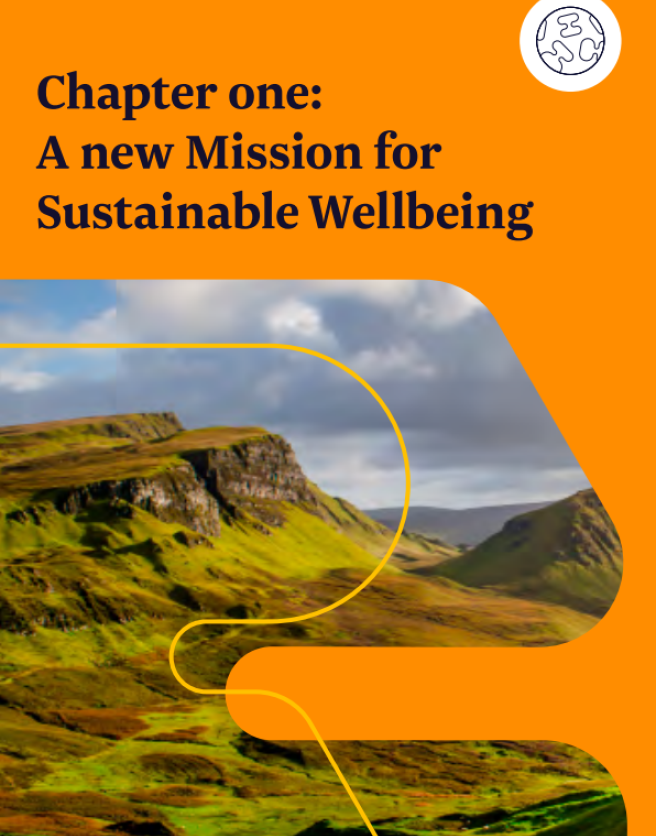
Header image credit: © Dominic Meijers | Adobe Stock