Delivering change in a complex world
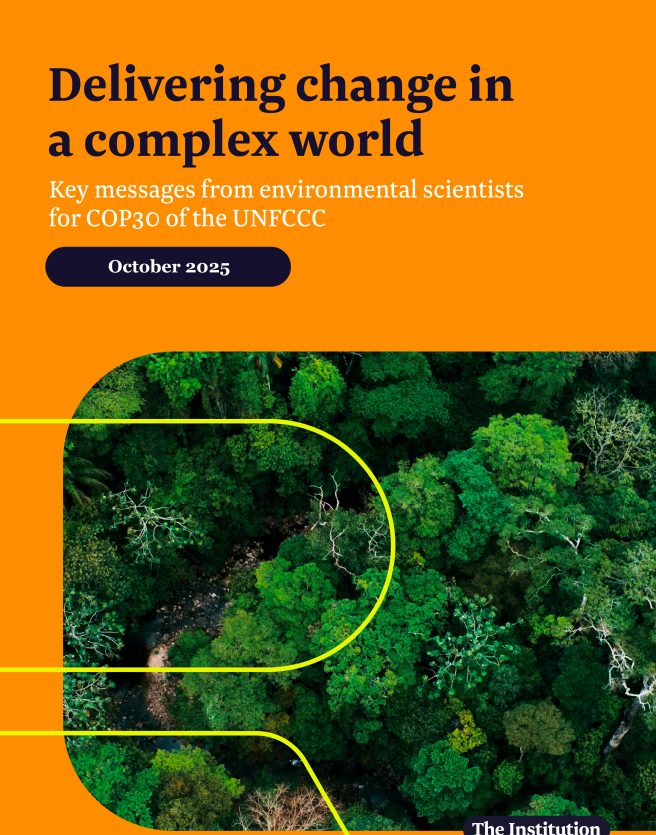
COP30 took place in November 2025 and should have been a crucial summit, setting the tone of climate action for the coming years.
While the global community did not rise to that challenge, we took the opportunity to set out these 10 key messages for climate action at a global level.
Learn more in our briefing on COP30.
Our messages for global climate action
The IES has a unique place in these discussions: by listening to researchers, practitioners, and policy makers, we have identified what we believe are the most important messages for COP30:
- Fight for a better future, not just to survive
- Facing complexity now makes the future simpler
- Focus on better services to create more value
- Do it the right way, don’t do it twice
- Doing more costs less
- Work together, share successes
- Make it fair, make it just
- Plans need to add up, to deliver our ambitions
- Embrace an era of local climate leadership
- Don’t stop until it’s done
These messages are aimed at everyone involved in climate action: policy makers at negotiations who set the direction of travel, NGOs and campaigners working to spread a positive message for climate action, and our own members, who provide the evidence that underpins action, then helps to deliver it on the ground. Our policy team is actively working to support effective climate action and better delivery of climate policies, including through our Climate Action Community. For the latest information on COP30 and climate policy in the UK and globally, read our briefing on COP30.

Find out more
To learn more about the state of climate change, you can watch the 2025 Burntwood Lecture, 'The World after 1.5°C', read our recap on COP30, or find out what happened next at the Santa Marta Climate Conference. To support interdisciplinary climate action, join our Climate Action Community, and to support effective policy delivery, join our Environmental Policy Implementation Community (EPIC)
If you want to support the work of the IES, you can become an affiliate, or if you’re a professional in the environmental sector working with science, consider joining the IES.
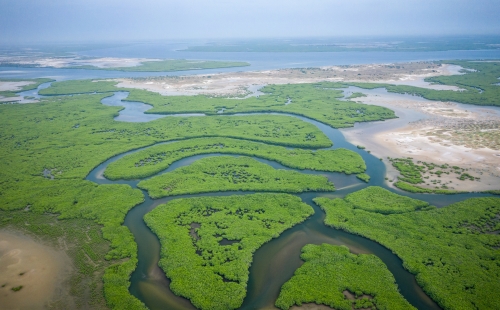
Image credit © simanlaci - Adobe Stock