Embedding Education for Sustainable Development
Education is a crucial tool to deliver our sustainable future. What we learn shapes how we view the world around us, so unsustainable perspectives embedded through education can lead to unsustainable approaches to the environment.
Despite the scale of change required, education has a fundamental power: to shape the lives of future generations, position the UK as a leader in the green industrial revolution, and repair our relationship with nature.
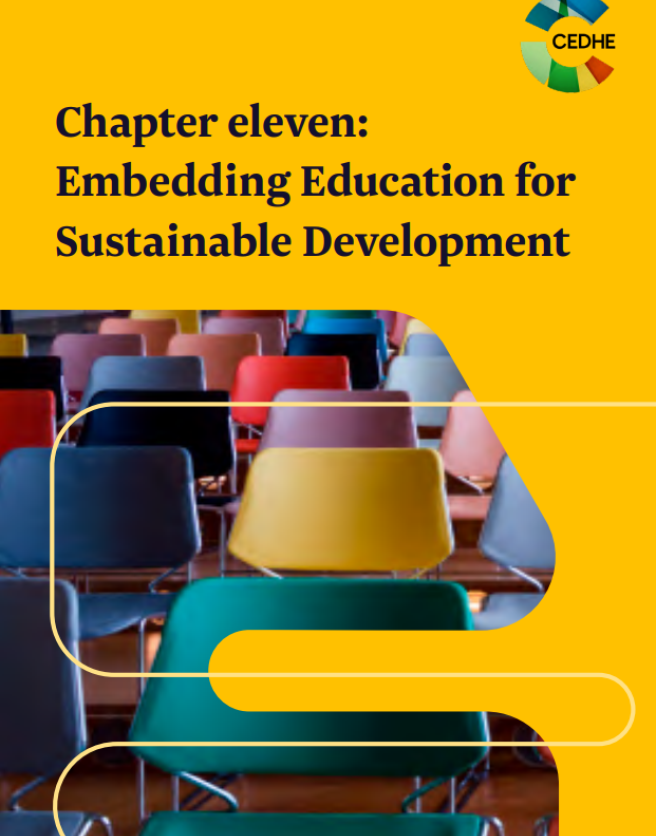
As part of our recommendations to the UK Government for 2024-2029, the IES published this chapter on 'embedding Education for Sustainable Development', which sets out recommendations on education, skills, and green jobs.
Our recommendations were created by IES members from the Community for Education Disciplines in Higher Education as part of an expert engagement process, which brought together hundreds of environmental professionals across specialisms.
Our recommendations for the UK Government
- Embed Education for Sustainable Development (ESD) across all types of education and at all levels, from primary school through to the workforce, with a focus on solutions.
- Fill the UK’s green skills gap to produce a knowledgeable, skilled and motivated green workforce.
- Develop an interdisciplinary and joined-up education system without compromising on specialist education.
- Work with the environment sector to increase access to green jobs and wider awareness of different pathways into the sector.
- Use the DfE’s own sustainability actions to teach by example, driving ‘situated learning’ about the environment.
More on education & skills policy



Find out more
Read our recommendations for other fields of environmental science in 'Our Shared Mission for Sustainable Wellbeing'.
For more about the future of environmental education and how environmental education professionals can inspire individuals to pursue careers in the environmental field, learn about the Community for Environmental Disciplines in Higher Education (CEDHE).
If you want to support the work of the IES, you can become an affiliate, or if you’re a professional in the environmental sector working with science, consider joining the IES.
Header image credit: © siraanamwong | Adobe Stock