A Manifesto for Transformative Change
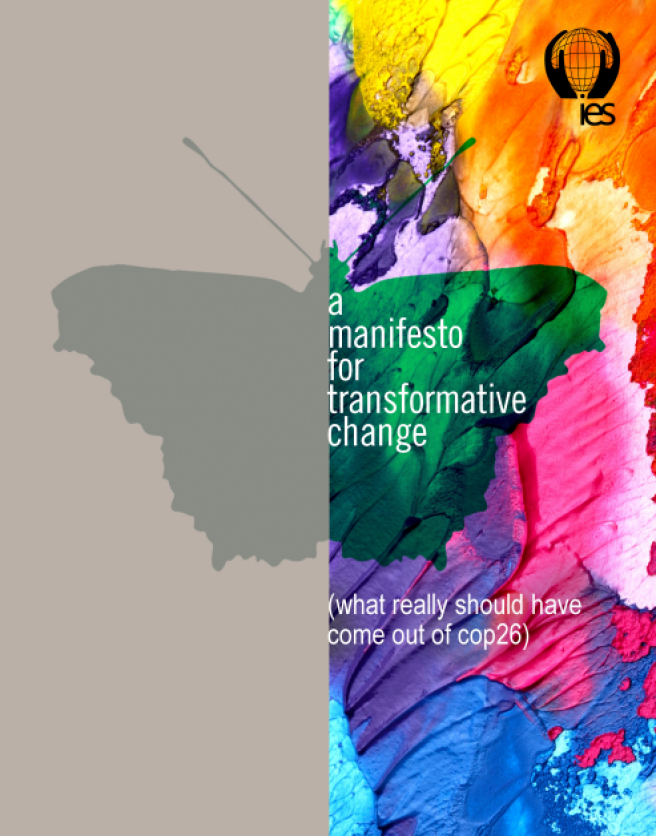
Between 2020 and 2021, as the world recovered from the onset of the COVID-19 pandemic, the IES led an ambitious project to chart a course to make the most of the COP26 climate summit.
Our project, STAGES on the road to COP26, brought together stakeholders to identify clear actions that the world could take to accelerate the pace of climate action.
This was the result: our Manifesto for Transformative Change.
It sets out 54 priority actions for the summit, from recommendations for international governments to specific plans for the future of the environment sector. Since then, we have continued to set ambitious recommendations for global climate action, including through our recent report, 'Delivering change in a complex world'.
Executive summary
Humanity faces a profound reality: the decisions we make now will be historic ones, and they will decide the stories we tell to generations to come about the fight against climate change. The UN’s COP26 climate change summit has been portrayed as the ‘final stand’ in that battle, though in reality it will have been the first of many to come as we work to create a better world for nature, people, and the planet.
This manifesto sets out 54 recommendations for global climate action, as well as the analysis and evidence to support them. Aimed at influencing COP26, those recommendations now provide us with an ideal point of comparison between what was achieved at the summit and what still needs to happen.
Climate change has been caused by complex interactions between social, economic, and natural systems. Our response should reflect that, transforming those systems to become more sustainable and employing systems thinking approaches to achieve multiple benefits for the environment, society, and the economy. Science has a crucial role to play by providing the evidence people need to understand the outcomes of different options and the potential to create a future which improves everyone’s lives.
When future generations hear stories about the fight against climate change and the role COP26 played in that battle, they cannot be stories of inaction or inertia. As we take the work of COP26 forwards, the stories told by our actions must be about ambition and the commitment to seeing our aspirations materialise through transformative change.
This profound moment in history offers two polarised types of change. The first is climate change, where our inaction leads us on the road to overwhelmed human resilience, degraded natural environments, and an existential threat to our planet. The second is transformative change, where our collective journey of action brings us to a future which is sustainable, resilient, and which meets the needs of global communities that share in the benefits of the natural world.
It is our imperative as those with the power to make historic decisions that we create that better future.


To find out more about the topic, you can read our latest recommendations in 'Delivering change in a complex world', catch up with the outcomes of COP30, or read our recommendations for UK climate action in the relevant chapter of Our Shared Mission for Sustainable Wellbeing. To support interdisciplinary climate action, join our Climate Action Community, and to support effective policy delivery, join our Environmental Policy Implementation Community (EPIC)
If you want to support the work of the IES, you can become an affiliate, or if you’re a professional in the environmental sector working with science, consider joining the IES.
#TransformativeChange
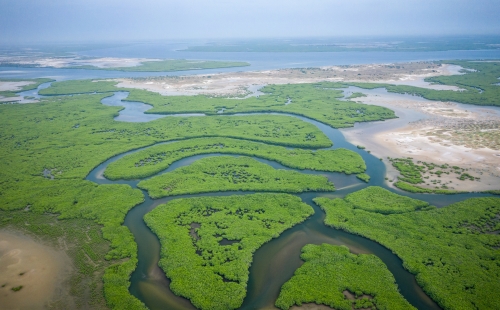
Header image credit: © Isabelle | Adobe Stock